How to Choose a Paper Slitting Machine for Your Business
Datetime: 5/20/2026 2:47:00 PM Visit: 519
If you run a paper converting business, you know the frustration: uneven rolls, frequent blade changes, and downtime that eats into your margins. Selecting the right slitting equipment isn't just about cutting rolls—it’s about maintaining customer trust and operational efficiency.
Yet many buyers rush into a purchase based on price or a single specification, only to regret it six months later.
This guide walks you through the essential factors for choosing a paper slitting machine that fits your production volume, material types, and long-term goals. No jargon overload—just practical advice from real shop-floor experience.
If you’re already looking for reliable paper slitting machine solutions, you can skip to the end for a trusted option. Otherwise, let’s dive into the five criteria that matter most.
1. Match the Machine to Your Material and Roll Width
Not all slitters handle the same substrates. Are you processing lightweight tissue, kraft paper, coated stock, or laminated materials? Each requires different slitting methods and tension control precision.
-
Razor slitting – best for thin films and light paper.
-
Shear slitting – ideal for thicker paper, labels, and board.
-
Crush cut – used for non-wovens and heavy materials.
Also measure your maximum parent roll width and finished roll diameter. A common mistake: buying a machine that supports the width but lacks enough rewind capacity for your typical order size.
Pro tip: Always leave a 15–20% margin on both width and speed for future growth.
2. Web Tension Control: The Hidden Driver of Quality
Poor tension management causes telescoping, wrinkled edges, or broken webs. Look for systems with closed-loop load cell feedback rather than open-loop clutch/brake designs.
Automatic tension control (ATC) maintains a consistent force across acceleration, deceleration, and constant running. For high-volume jobs, dancer roller systems provide mechanical damping, while load cells offer digital precision.
Some modern machines integrate both. Ask your supplier: “What’s the tension range and accuracy at maximum speed?” If they hesitate, consider it a red flag.
3. Automation Level: From Manual to Fully Integrated
Your labor skill and order mix decide this.
-
Manual slitters – require operator adjustment of knife positions and tension. Low upfront cost, but high labor per shift. Suitable for job shops with frequent size changes.
-
Semi-automatic – motorized knife positioning and preset recipes. Best for medium-run lengths and consistent repeat orders.
-
Fully automatic – PLC-controlled, touchscreen HMI, auto-registration, and data logging. Recommended for 24/7 operations with tight tolerances.
Think about your future: adding automatic web guide and splice detection later is costly if the base frame isn’t designed for it. Choose a modular platform that allows upgrades.
4. Blade Maintenance and Safety Features
Dull blades create dust, rough edges, and machine strain. Evaluate how easy it is to access and replace blades. A machine that requires disassembling guards for 20 minutes every shift will hurt productivity.
Look for:
-
Quick-release knife holders
-
External grinders
-
Lockout/tagout points with visible indicators
Safety isn’t optional. CE or UL certification matters—not just for compliance but for operator protection. Ask for test reports or third-party validation.
5. Total Cost of Ownership vs. Initial Price
A cheap machine often costs more in the first year through waste, rework, and downtime. Calculate based on:
-
Energy consumption
-
Blade life
-
Spare parts availability and lead time
-
Supplier support response time
Real example: A converter in Ohio saved $18,000 annually by switching from a low-cost slitter to a model with automatic tension control—reducing material waste from 5.2% to 1.8%. That paid for the upgrade in 11 months.
Common Mistakes When Choosing a Slitting Machine
Even experienced buyers fall into these traps:
| Mistake | Why it hurts |
|---|---|
| Ignoring dust extraction | Paper dust builds up on bearings and sensors, causing premature failure. |
| No provision for future web widths | Upgrading frame width later is impossible or extremely expensive. |
| Buying based on max speed only | High speed without proper tension control = bad rolls. |
| Skipping on-site testing | Supplier claims vs. your actual material – always test samples. |
Always request sample slitting on your own materials. A trustworthy manufacturer will offer this service or provide a video with measured results.
How to Shortlist Suppliers Efficiently
After defining your requirements, create a scorecard with these weights:
-
Build quality & precision
-
After-sales support & spare parts
-
Ease of setup and changeover
-
Energy efficiency
-
Price
Request a technical datasheet and a site visit if possible. Ask existing customers about average uptime and problem resolution speed.
Ready to compare specific configurations?
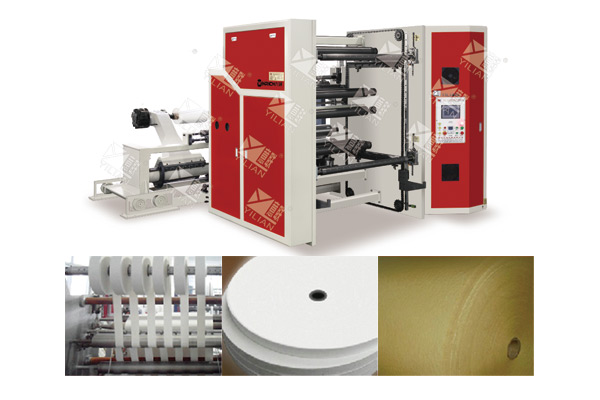
Explore reliable slitting equipment for your production line that offers modular tension control, fast knife setup, and a range of slitting methods—built for paper converters who value uptime.
Final Advice
Selecting a paper slitting machine is not about finding the “best” one—it’s about the right fit for your roll diameter, material mix, and operator skill. Start with your top three pain points. Then match solutions to those.
If you process mostly medium-width kraft paper with semi-skilled staff, a shear-cut semi-automatic model with dancer tension control hits the sweet spot. For high-speed coated paper with tight tolerances, invest in a load-cell-based fully automatic system.
One last thing: Always negotiate a training session as part of the purchase. Even a high-speed paper slitter won’t perform well without proper operator know-how. Focus on consistency over peak speed.
Disclaimer: This guide provides general recommendations. Always consult with equipment manufacturers for specific applications. Performance data cited from industry case studies (TAPPI, 2022–2024).