Best Practices for Slitting Pressure Sensitive Adhesive Labels
Datetime: 7/16/2026 11:28:00 AM Visit: 444
You’re running PSA labels on your slitter, and the adhesive keeps sticking to everything—blades, rollers, guides. Every two hours, you’re stopping to clean. Every two hours, you’re losing production time.
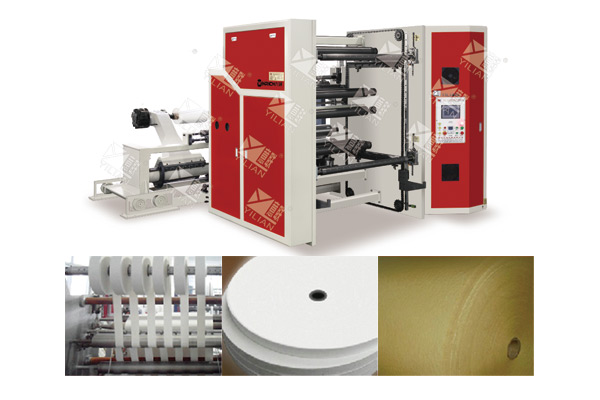
Pressure-sensitive adhesive labels are made of three layers: face stock, adhesive, and silicone-coated liner. When you slit them, the adhesive wants to stick to the cutting equipment itself. The glue builds up on blades and rollers, causing poor cuts, web breaks, and constant downtime. But with the right techniques, you can extend your cleaning interval from every 2 hours to a full shift—or longer. A Paper Slitting Machine like the GSFQ 1100-1700 from Winrich Machinery is capable of high-speed precision slitting, but even the best machine needs the right setup for PSA materials.
This guide covers seven practical techniques for slitting pressure-sensitive adhesive labels: non-stick blade coatings, temperature control, blade overlap optimization, matrix waste management, roller cleaning without stopping, silicone liner handling, and inspection for adhesive oozing.
Use Non-Stick Slitter Blades
The first line of defense against adhesive buildup is the blade itself.
PTFE or DLC Coatings
Non-stick coated blades are a game-changer for PSA slitting. PTFE (Teflon) coatings or diamond-like carbon (DLC) coatings significantly reduce adhesive adhesion to the blade surface. The adhesive simply doesn’t stick as well, which means longer runs between cleanings. Winrich Machinery offers high-quality machines with precision components, and blade selection is a critical part of that precision.
The Silicone Spray Alternative
If you can’t justify the cost of coated blades, a silicone spray wipe every half-hour can help. Spray a light coat of silicone oil on a cloth and wipe the blade edges. This creates a temporary non-stick barrier. The trade-off is that silicone can transfer to the liner, potentially affecting subsequent converting operations.
Blade Material Selection
For aggressive adhesives, consider carbide or ceramic-coated blades. These materials resist wear better than standard steel and maintain a sharper edge longer, reducing the tendency of adhesive to build up at the cutting edge.
Reduce Slitting Temperature
Heat is the enemy of clean PSA slitting. Friction generates heat, and heat makes adhesive flow.
Speed Management
The adhesive becomes more fluid as temperature rises. Reducing line speed to 150-200 m/min—about 30% slower than standard paper slitting—can dramatically reduce heat generation at the cutting point. The GSFQ 1100-1700 is designed for high-speed operation, but for PSA materials, slower is often better. Winrich’s machines are built for versatile applications, allowing you to adjust speed to match the material.
Air Cooling
Install compressed air nozzles directed at both sides of the blade. The continuous airflow removes heat from the cutting zone, keeping the adhesive cooler and less prone to flow. This simple addition can extend cleaning intervals significantly.
Blade Cooling Systems
For high-volume PSA slitting, consider a liquid-cooled blade system. Coolant circulates through the blade holder, actively removing heat from the cutting edge. This allows higher speeds without the adhesive flow problems associated with heat buildup.
Optimize Blade Overlap
Blade overlap—the amount the upper and lower blades intermesh—is critical for clean PSA slitting.
Reduce Overlap for PSA
For standard paper, a certain overlap is needed to ensure a clean cut. For PSA materials, reduce the overlap by approximately 0.2mm compared to paper settings. Excessive overlap squeezes the adhesive out of the cut line, creating oozing and sticking to the blade sides.
Upper Knife Drive Configuration
For thicker label stocks (150gsm or heavier), use an “upper knife driven, lower knife driven” configuration. This ensures both blades are actively cutting rather than just shearing, which reduces the adhesive smear on the cut edge.
Frequent Verification
Check the blade overlap setting at the start of each PSA job and after any blade change. A small adjustment can make a significant difference in cut quality and adhesive behavior. Winrich’s precision engineering ensures consistent blade alignment, but operator verification is still essential.
Manage Matrix Waste
The matrix—the lattice of waste material left after die-cutting—is a constant challenge in PSA slitting.
Low Tension is Critical
Matrix waste breaks easily. The waste rewind tension must be extremely low—less than 2N/cm width. Excessive tension stretches the thin matrix material, causing it to snap and stop the line. Use a separate rewinder with independent tension control for the matrix waste.
Use a Suction Fan
Rather than mechanical winding, use a variable-frequency-controlled suction fan to collect the matrix waste. The suction gently pulls the waste away without stretching it. This approach is far more reliable than mechanical winding for lightweight matrices. Winrich Machinery offers comprehensive after-sales service and technical support to help you optimize waste management systems.
Monitor Waste Breaks
If matrix breaks are frequent, check the die-cutting quality upstream. Ragged die-cut edges create weak points where the matrix will break during slitting. A smooth die-cut is essential for reliable matrix waste handling.
Clean Rollers Without Stopping
Adhesive transfers from the slit edges to the rollers. Cleaning doesn’t have to mean stopping.
Fixed Doctor Blades
Install fixed polyurethane doctor blades positioned against the rollers. These scrapers continuously remove adhesive from the roller surface as it runs. The doctor blade should be set at a slight angle to the roller surface, with light pressure—enough to scrape but not enough to damage the roller.
Quick-Clean Access
Design your slitter with quick-access safety doors that allow operators to wipe the blade shafts with alcohol-soaked non-woven fabric every two hours. Quick-access doors mean the operator doesn’t have to dismantle guards to perform routine cleaning. Winrich Machinery provides professional service and technical support to help you maintain your equipment efficiently.
Scheduled Cleaning Protocol
Even with doctor blades and quick access, a formal cleaning schedule is essential. Plan for a wipe-down every two hours and a full blade removal and soak at the end of each shift. For high-volume PSA slitting, consider a dedicated shift for deep cleaning.
Watch for Oozing and Adjust
Adhesive oozing at the slit edge is a clear indicator that something is wrong.
What Oozing Tells You
If you see adhesive seeping from the cut edge, the blade gap is too small or the adhesive layer is too thick. Oozing leads to contamination of downstream equipment and customer complaints about sticky edges.
The Adjustment
Immediately increase the side gap by 0.01mm and check the adhesive coating weight. If the adhesive layer exceeds the specification, address it with the material supplier. For materials with heavy adhesive coatings, a larger blade gap is necessary. Winrich’s precision machines allow for fine adjustments to blade positioning.
Inspection Routine
Inspect the slit edge at the start of the run and every 30 minutes thereafter. Catching oozing early prevents a full roll of defective material and saves clean-up time.
Questions Operators and Production Managers Ask
Can I slit PSA labels on a razor slitter?
Razor slitters are not recommended for PSA labels. The razor blade creates a shearing action that tends to push adhesive to the sides, causing oozing and blade buildup. Shear slitters (rotary knives) are the preferred choice for PSA materials because they create a cleaner cut with less adhesive displacement. If you only have a razor slitter, reduce speed significantly and increase cleaning frequency.
How do you clean hardened adhesive from blades?
Soak the blades in a solvent specifically formulated for the adhesive type. For acrylic adhesives, isopropyl alcohol or a commercial adhesive remover works well. For rubber-based adhesives, a hydrocarbon solvent may be needed. Never scrape hardened adhesive with a metal tool—this damages the blade edge. Soak, then wipe with a non-woven cloth. Winrich Machinery offers spare parts support, including replacement blades and components, to minimize downtime.
Does cold temperature help with PSA slitting?
Yes. Running PSA materials in a cooler environment (18-22°C) keeps the adhesive firmer and less prone to flow. If your slitter is in a temperature-controlled room, lowering the temperature by a few degrees can make a noticeable difference. In hot environments, consider adding localized cooling at the slitting station.
Building a Maintenance Schedule for PSA Slitting
Consistency is the key to successful PSA slitting. A structured maintenance schedule prevents problems before they start.
Micro-Cleaning Every 2,000 Meters
Every 2,000 meters of material processed, perform a quick clean. Wipe the blades and rollers with alcohol, check for adhesive buildup, and verify blade overlap settings. This micro-cleaning takes five minutes and prevents adhesive from accumulating to the point of causing problems.
Deep Cleaning Every 10,000 Meters
Every 10,000 meters, remove the blade assembly and soak the blades in solvent. Clean the blade holders, rollers, and guides thoroughly. This is also a good time to inspect blades for wear and replace them if needed. Winrich Machinery offers a one-year warranty on their entire product range, giving you confidence in the durability of your equipment.
Document Your Settings
Record the blade overlap, line speed, and temperature settings that work for each PSA material type. When you run the same material again, you can set up quickly and avoid the trial-and-error that wastes material and time. Build a reference table for your operators.
Winrich Machinery manufactures high-quality slitting solutions for the paper and film processing industries. The GSFQ 1100-1700 high-speed paper slitting machine is designed for precise, efficient slitting across a range of materials. Winrich provides comprehensive after-sales service, including technical support, spare parts, and a one-year warranty on their entire product range. Their team of professional service experts offers 24/7 consulting support to improve the overall operational efficiency of your equipment. For label converters and PSA slitting specialists, choosing a machine with the right features—and a supplier who stands behind it—makes all the difference.
Slitting pressure-sensitive adhesive labels doesn’t have to be a battle against adhesive buildup. With the right techniques—non-stick blades, temperature management, optimized overlap, matrix handling, continuous cleaning, and oozing inspection—you can extend your cleaning intervals, reduce downtime, and improve product quality. Winrich Machinery’s GSFQ series provides the precision and reliability you need to implement these best practices effectively.
Ready to improve your PSA label slitting operation? Reach out to Winrich Machinery’s team—they can provide machine specifications, blade recommendations, and technical support to help you achieve cleaner cuts and longer runs.